
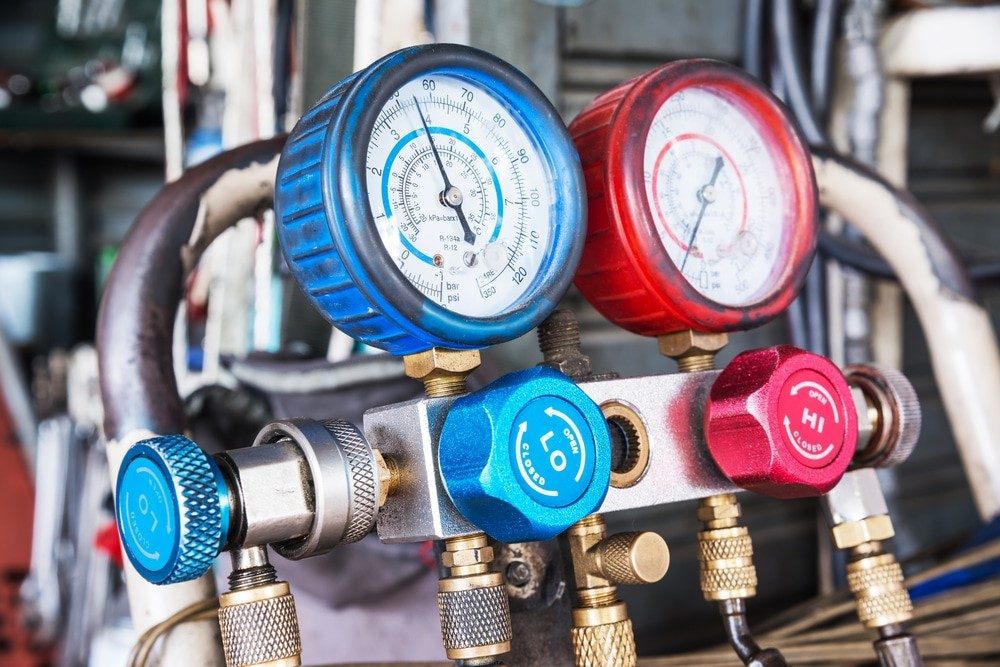
Charging a refrigerated truck is a critical aspect of maintaining the efficiency and performance of these systems. This process, which involves injecting refrigerant gas into the refrigeration system, has a direct impact on the ability of the truck to maintain the temperature and quality of the stored products.
Given that the use of different gases and charging processes can affect energy efficiency and costs, it is important to understand the methods and tips related to this issue.
In this article, we will review the most important points about charging a refrigerated truck.
1: Locks and hinges of car refrigerators
2: Refrigerated trucks
3: Refrigerated truck insulation and its types
4: Truck refrigerator
Steps of charging a refrigerated truck
The process of charging a refrigerated truck is an essential task that helps maintain the temperature and efficiency of the system. Here is a simple and practical explanation of the process:
System Check:
First of all, you need to check the system to make sure there are no leaks. This is usually done using special materials that detect leaks.
Choosing the right gas:
Based on the type of cold store and its specific needs, you need to choose the right refrigerant gas. Different gases have different properties, so choosing the right one is important.
Preparing the equipment:
In the next step of charging the gas of the refrigerated machines, the pipes and fittings that you need to charge the gas must be installed correctly. Also, the charging devices and refrigerant capsules must be ready.
Gas charge:
Add the refrigerant gas to the system. This can be done in two ways:
Liquid charge: The gas is introduced into the system as a liquid.
Vapour charge: The gas is added to the system as a vapour.
At this point, pay attention to the pressure and temperature of the system and make sure that everything is within normal limits.
System Performance Test:
After charging, turn on the system for a few minutes to make sure that everything is working properly. You should check the temperature and pressure and see if the compressor is working properly.
Final Check:
Finally, check the system again to make sure that there are no leaks. Also, if necessary, make final adjustments to improve the system’s performance.
By following these steps, you can ensure that your refrigerator is working properly and maintaining the temperature well.
The Importance of Charging Gas in Car Refrigerators Correctly and Properly
Proper gas charging in car refrigerators is very important because it helps optimize the performance of refrigeration systems and prevents serious problems.
A correct charge maintains system efficiency, reduces energy costs, and prevents compressor component failure. Also, proper temperature in cold stores is essential to maintain the quality of food products and other goods, and proper gas charging provides these ideal conditions. In addition, optimal use of refrigerant gases helps reduce environmental impacts and increase system sustainability.
Ultimately, a properly charged system will have a longer useful life and will provide users with security and peace of mind.
Methods for detecting gas leaks in mechanical cold stores
Now that we have become familiar with gas charging in mechanical cold stores and its importance, it is not a bad idea to also learn about methods for detecting gas leaks.
Detecting gas leaks in mechanical cold stores is one of the important maintenance and safety steps. There are various methods for detecting gas leaks, some of which are mentioned below:
Using indicator gases:
Some gases are used along with refrigerant gas to detect leaks. These gases usually have a specific odor that is easily recognizable.
Leak detection devices:
There are special devices that can detect gas leaks. These devices are usually designed with sensors sensitive to specific gases and can accurately identify the location of the leak.
Soap method:
Using a soap or detergent solution, you can cover the points that may have a leak. If there is a leak, bubbles will form at the leak site and can be identified.
Using acoustic signals:
Some refrigerant gases produce sounds when they leak. Listening for unusual sounds can help identify a leak.
Checking the system pressure:
If the system pressure drops abnormally, this can be a sign of a gas leak. Checking the pressure with manometers can help identify the leak.
Temperature monitoring:
A gas leak can cause temperature changes in the system. Monitoring temperature and identifying abnormal changes can help detect leaks.
Using infrared technology:
Some devices are able to detect refrigerant gases using infrared technology. This technology accurately and in real time detects leaks.
Periodic inspection:
Performing regular and periodic inspections by expert technicians can help identify problems before they become major leaks.
These methods can help identify gas leaks early and prevent serious problems and safety hazards.
Scheduling gas charging for mechanical refrigerators
The timing of gas charging for mechanical refrigerators is one of the key factors in maintaining the efficiency and optimal performance of refrigeration systems. To determine the appropriate time to charge the gas, you should pay attention to several points and factors:
Periodic inspection:
It is usually best to inspect the system every 6 months to 1 year. This inspection includes assessing gas pressure, temperature and checking for leaks.
After repairs:
After any repair or replacement of parts in the system, the refrigerant gas must be charged.




No comment